

Toronto generates more traffic charges than any other city in Ontario. Between OPP enforcement on the 400-series highways, Toronto Police Service patrols on major arterials, and an expanding network of automated enforcement cameras, drivers in the city face a wide range of charges — from minor moving violations to serious offences like stunt driving and careless driving that carry licence suspensions and insurance consequences lasting years.
If you’ve received a ticket in Toronto, here’s what you need to know before your deadline passes.
The 15-Day Deadline
Every Ontario traffic ticket carries a response deadline. You have 15 days from the offence date to select one of three options on the back of your ticket:
- Pay the fine — a guilty plea; conviction is registered and all penalties apply automatically
- Request an Early Resolution meeting — an informal discussion with a Crown prosecutor before any trial date
- Request a trial — a formal hearing before a justice of the peace
Missing this deadline can result in a conviction being entered without you ever appearing in court. If you’re unsure which option to select, request Early Resolution — it preserves your options without committing to anything.
Where Toronto Traffic Tickets Are Heard
Toronto traffic matters are not all heard in the same place. Where your case is scheduled depends on where the offence occurred and which enforcement division laid the charge.
Old City Hall — Ontario Court of Justice 60 Queen Street West is the primary courthouse for traffic matters originating from TPS divisions across the former City of Toronto. This is one of the busiest provincial offences courts in Ontario, and scheduling timelines can be long.
Scarborough Courthouse 1911 Eglinton Avenue East handles matters from the east end of the city, including charges laid on the 401 east corridor and surface streets in Scarborough.
Northwest Community Justice Centre 2201 Finch Avenue West in Etobicoke handles matters from the northwest end of the city, including charges originating from the 427, 400, and western arterials.
OPP charges laid on 400-series highways within Toronto’s boundaries are typically scheduled at the courthouse closest to the offence location. Knowing which court your matter is at affects scheduling, prosecutor assignment, and early resolution procedures — all of which a paralegal familiar with Toronto courts will already know.
Common Traffic Charges in Toronto
Toronto’s enforcement patterns produce a predictable mix of charges. These are the most common matters Street Legal handles from Toronto drivers:
Speeding — The 401, the DVP, and the Gardiner are heavily enforced by OPP. Surface street enforcement by TPS is concentrated along Yonge, Jane, Finch, and major arterials. Higher-range speeding charges carry demerit points and insurance implications that make fighting them worthwhile. See how speeding charges are handled in Ontario.
Stunt Driving — Toronto’s highways see a significant number of stunt driving charges, particularly on the 401 and DVP where the 50 km/h-over threshold is easily crossed in fast-moving traffic. A stunt driving charge triggers an immediate 30-day roadside suspension and 14-day impoundment regardless of outcome. Learn about stunt driving charges in Ontario.
Distracted Driving — Cell phone and handheld device charges are among the most common tickets issued by TPS. Enforcement is particularly active during dedicated distracted driving campaigns. A first conviction carries 3 demerit points and a 3-day suspension — a second carries 6 points and 7 days. See how cell phone tickets work in Ontario.
Careless Driving — Often laid following collisions in Toronto, careless driving is one of the most serious HTA charges, carrying 6 demerit points, fines up to $2,000, and a possible licence suspension. Learn how careless driving charges are handled in Ontario.
Red Light Camera Tickets — Toronto has one of the largest red light and speed camera networks in Ontario. Camera-issued tickets do not carry demerit points and are registered to the vehicle owner rather than the driver — but they still result in fines and should be reviewed before payment. Learn about red light camera tickets in Ontario.
How Early Resolution Works in Toronto
Early Resolution is an informal meeting between you (or your paralegal) and a Crown prosecutor before any trial date is set. It is not a hearing and does not involve a judge.
At Early Resolution, the prosecutor reviews the disclosure — the officer’s notes and any supporting evidence — and may offer a reduced charge, reduced fine, or in some cases a withdrawal. For many Toronto drivers, Early Resolution is where the matter is resolved without ever going to trial.
Common outcomes include reductions to lesser charges with fewer or no demerit points, which can have a significant impact on insurance premiums over the following three years.
If no resolution is reached, you retain the right to proceed to trial. Accepting an Early Resolution offer is never mandatory. Learn more about what an Early Resolution meeting involves.
Why the Fine Is Usually the Least of Your Concerns
Toronto drivers frequently focus on the dollar amount of a ticket and underestimate the downstream costs. A single conviction — even for a minor moving violation — can trigger an insurance premium increase at renewal that far exceeds the original fine over a three-year period.
More serious convictions compound this: a careless driving or stunt driving conviction can result in policies being cancelled entirely, leaving drivers in the high-risk insurance market at significantly elevated rates.
Demerit points add a separate layer of risk. Accumulating 9 or more points triggers a Ministry interview; 15 or more results in licence suspension. For drivers who commute in Toronto and already have points on their record, a new conviction can push them into suspension territory.
How a Paralegal Can Help With a Toronto Traffic Ticket
A licensed Ontario paralegal can represent you at every stage of the process — from requesting and reviewing disclosure to attending Early Resolution and representing you at trial. In most cases you do not need to take time off work or appear in court yourself.
Street Legal represents drivers charged across all Toronto jurisdictions, including matters at Old City Hall, the Scarborough courthouse, and the Northwest Community Justice Centre at Finch. We focus exclusively on traffic and driving-related matters under the Highway Traffic Act and Provincial Offences Act.
Frequently Asked Questions: Toronto Traffic Tickets
15 days from the offence date. Missing the deadline can result in a conviction being entered automatically without you appearing in court.
Not necessarily. Where your matter is heard depends on where the offence occurred. Toronto traffic tickets are heard at Old City Hall, the Scarborough courthouse on Eglinton, or the Northwest Community Justice Centre at 2201 Finch West. A paralegal familiar with Toronto courts will know which courthouse your matter is assigned to.
Yes. In most cases a licensed Ontario paralegal can attend Early Resolution and trial on your behalf without you needing to appear.
Yes if you’re convicted. Insurance companies review your conviction history at renewal, not at the time of the ticket. Even a single moving violation conviction can trigger a premium increase. More serious convictions like stunt driving or careless driving can result in policy cancellation.
In most cases yes — particularly for charges that carry demerit points, licence suspensions, or insurance consequences. The fine is rarely the biggest cost. A paralegal can review your disclosure and assess your options before any deadline passes. Street Legal offers free consultations for Toronto drivers.

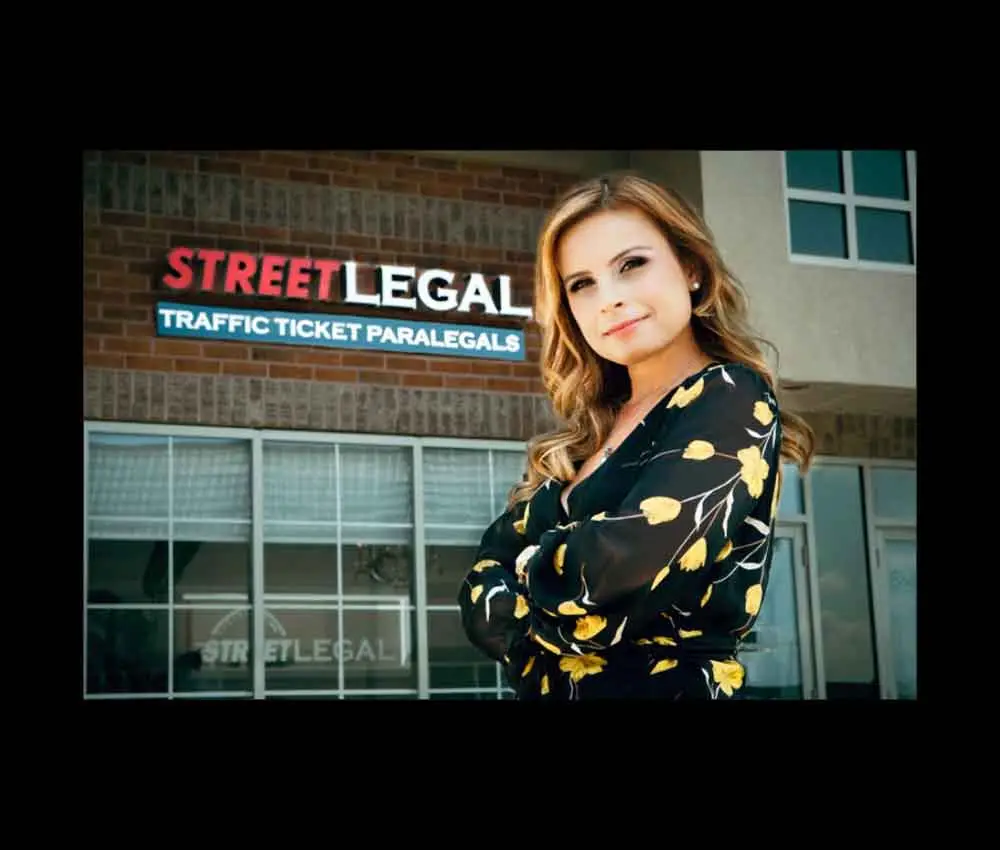
Hi, I’m Jackie, the founder & owner of Street Legal. I’ve specialized in keeping your insurance rates low and your driver’s licence in good standing for over 20 years.